
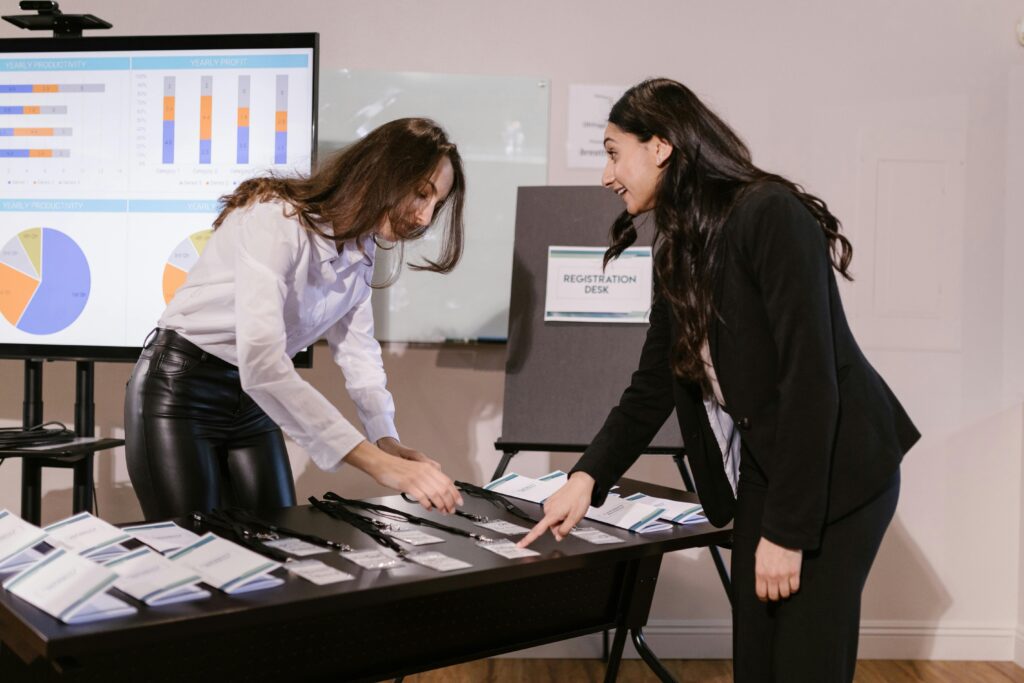
A conversation at a booth. A handshake at a local event. A few minutes of genuine attention can often do what hours of digital advertising cannot. People remember how a brand makes them feel. They remember being listened to.
That is the foundation of in-person customer outreach. It is about showing up, not just being seen. It is about listening before talking and building relationships that go beyond a simple exchange. When representatives connect with people directly, they turn abstract ideas into real experiences.
This approach takes planning, training, and consistency. It requires the right people, the right setting, and the right tone. The process outlined below provides a clear path for teams looking to create meaningful impact through face-to-face engagement.
Why In-Person Customer Outreach Is Important
Speaking directly to customers creates an immediate sense of trust. People can ask questions, express concerns, and see authenticity in real time. That kind of interaction helps companies learn what truly matters to their audience.
It also builds credibility. A brand that invests in personal interaction demonstrates commitment and confidence in its message. These conversations become opportunities to form long-term relationships rather than one-time transactions.
A few major benefits include:
- Genuine dialogue that deepens trust.
- Direct insight into customer needs and habits.
- A stronger emotional connection between brand and audience.
Through in-person customer outreach, a company transforms marketing from a broadcast into a partnership.
Step 1: Define Clear Goals
Every successful in-person customer outreach effort begins with clear goals. Without direction, even the most enthusiastic team will lose focus.
Ask essential questions before starting:
- What result are we aiming for?
- How will success be measured?
- Who exactly are we trying to reach?
Goals might center on awareness, conversions, or new sign-ups. They can also focus on gathering feedback or building brand familiarity. Each goal should be specific enough to track progress and achievable within the team’s capacity.
Once the goals are set, share them with everyone involved. A clear purpose keeps the outreach coordinated and intentional.
Step 2: Identify the Right Locations
Finding the right setting is just as important as defining the message. The most effective outreach happens where people are relaxed, curious, and open to conversation.
Before committing to a site, observe how people move through it. Notice where they stop, what catches their attention, and how long they engage. Test multiple spots to see what fits your audience best.
Consider these practical factors:
- Accessibility for both team members and customers.
- Permission or permits required for setup.
- The overall energy and pace of the environment.
Good placement makes every interaction feel natural rather than forced. It invites customers to participate instead of passing by.
Step 3: Build and Train a Skilled Team
No outreach plan works without the right people. This is why you’ll want to ensure that they are equipped with the essential skills for modern businesses. The team represents the entire brand during each interaction. Their tone, body language, and listening skills matter as much as the message itself.
Choose individuals who enjoy conversation and can adapt quickly. Then, invest in their growth. Structured sessions and leadership training programs can teach communication techniques, help manage stress, and develop confidence.
During preparation, focus on:
- Active listening rather than scripted responses.
- Professional handling of questions and objections.
- Maintaining a positive attitude even in busy settings.
Training should also include real-world practice. Mock conversations, field observations, and small trial events give team members a chance to learn in realistic conditions.
When people have already tested their communication style in a safe environment, they enter actual events with confidence and ease. Encouraging teamwork during training builds support and shared accountability once the campaign begins.
A prepared team brings consistency and credibility to every customer encounter.
Step 4: Prepare Materials and Messaging
Before the team begins, develop materials that clearly communicate what your company offers. Keep visuals clean and language simple. A short, direct message works best in busy public settings.
Printed materials should highlight benefits instead of listing technical details. People remember what a product can do for them, not its full specifications.
Strong messaging follows a few principles:
- Keep the tone conversational and clear.
- Use real examples or quick demonstrations.
- Make all branding consistent across materials and speech.
When customers hear and see the same clear message, they walk away with a lasting impression.
Step 5: Engage Authentically on Site
When the event begins, focus on conversation rather than persuasion. In-person customer outreach works because it feels human. Representatives should start naturally, ask questions, and show interest in the person in front of them.
People respond better when they feel seen and respected. Let the conversation unfold based on what the customer says, not what is written on a script.
Guidelines for meaningful engagement:
- Smile and make genuine eye contact.
- Listen carefully before offering information.
- End every exchange with appreciation, regardless of the outcome.
M. Coast connects trusted brands with customers through personal engagement, knowing that sincerity creates lasting results. When representatives focus on the relationship over the transaction, customers remember the experience long after it ends.
Step 6: Gather and Record Feedback
Information gathered in the field becomes the foundation for improvement. Each conversation holds clues about customer perception and interest.
Ask your team to record key details after each interaction. This might include frequently asked questions, recurring objections, or ideas customers share.
To make feedback useful:
- Use short digital forms or structured notes.
- Keep entries consistent and clear.
- Review and discuss findings soon after each event.
Organized feedback turns observations into data that guides better outreach in the future.
Step 7: Follow Up with Purpose
After the event, take time to reconnect. A thoughtful follow-up shows that the interaction was more than a sales attempt. It reinforces trust and appreciation.
Reach out to thank customers for their time and provide relevant information. Keep it brief, friendly, and personal.
Good follow-up practices include:
- Personalizing each message or call.
- Offering something of value, such as a special update or resource.
- Maintaining consistency without overwhelming communication.
When handled well, a single conversation becomes the beginning of an ongoing relationship.
Step 8: Evaluate Performance and Adjust
After each campaign, review the results carefully. Compare actual outcomes with the goals set at the start. Look beyond numbers to understand what influenced those results.
Track data such as:
- New contacts or leads generated.
- Conversion rates.
- Customer responses and overall sentiment.
Use these insights to refine your next outreach. Encourage open discussion with the team about what worked and what did not.
It also helps to create a summary report that captures both successes and lessons learned. Share this report across departments so other teams can apply the insights too. Consistent evaluation transforms outreach from a short-term campaign into an ongoing learning cycle. Over time, this habit builds a smarter, more adaptable organization ready to meet customers with confidence and skill.
For those exploring entry-level marketing jobs, this stage is especially valuable. Evaluation teaches how planning, execution, and communication all connect to measurable impact.
Customer Outreach Made Easy
In-person customer outreach remains one of the most personal and effective ways to build lasting relationships. It replaces distance with dialogue and creates real understanding between a brand and the community it serves.
With the right structure, training, and follow-through, this approach becomes more than a marketing tactic. It becomes a way to show customers that their time and opinions matter.
Every genuine interaction helps a company grow, not only in numbers but in reputation. The result is a brand people remember for how it made them feel: heard, respected, and valued.
At M. Coast, we focus on helping businesses in Orlando, Florida, reach their full potential. Our tailored services are built to strengthen your business development team and support long-term growth. Get in touch with us today to discuss your goals and learn how we can help you build a skilled, results-driven team ready to succeed in today’s competitive market.